
The Practice that Could Help Your Son Sleep and Your Daughter Manage Period Pain
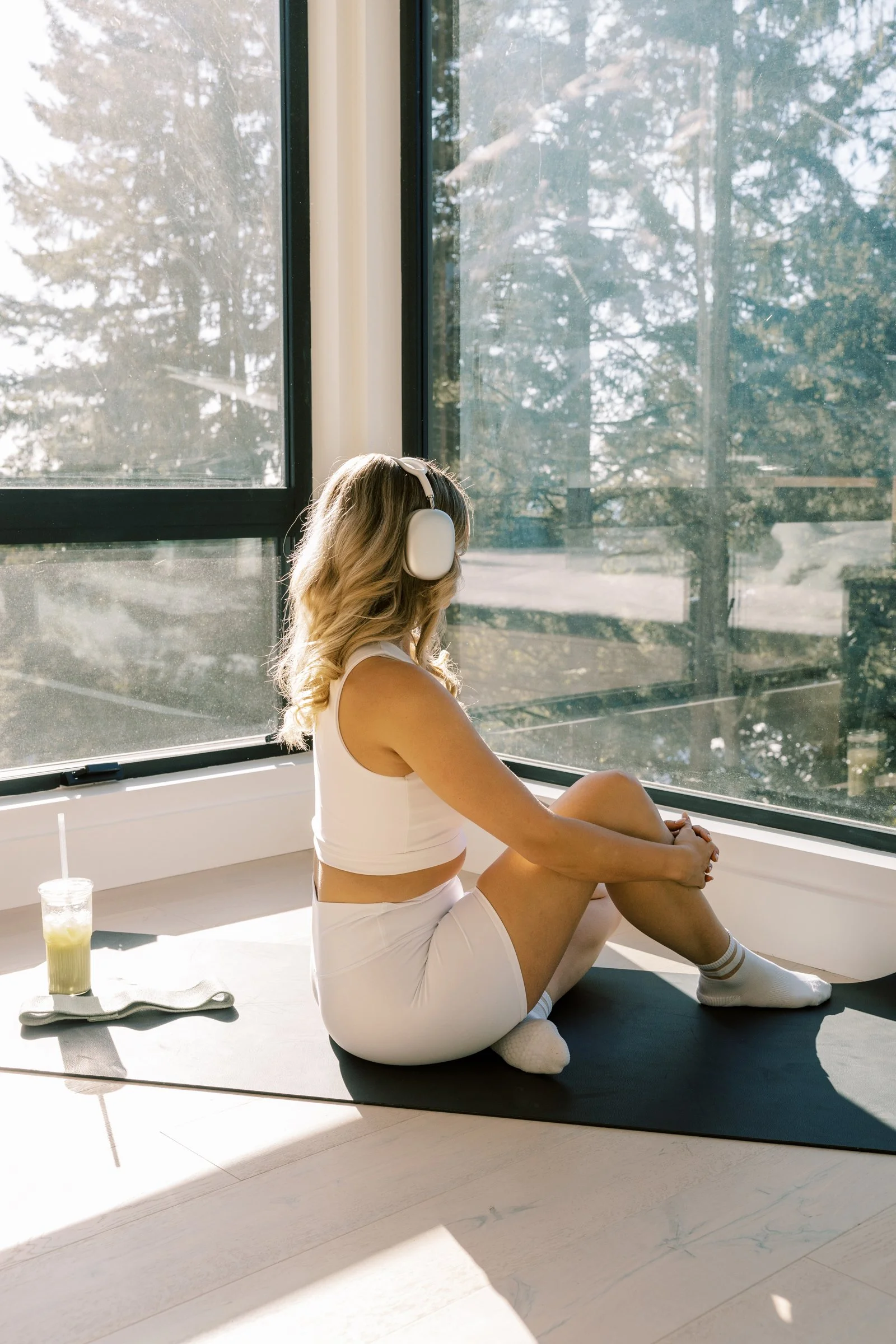
"Why has this not been taught in schools? The number of girls I would see in the boarding house and classroom, asking for a hot water bottle and flinching from pain, barely able to focus on what they were meant to be studying… It frustrated me that the general curriculum covers everything from trigonometry to the subjunctive tense but not how to work with their own minds and bodies."
If you've ever watched your teenager come home carrying something they can't quite explain — and felt unsure whether to talk, to wait, or to do something altogether different first — this episode is for you.
This week I'm sharing the discipline that put the body back at the centre of everything. Not a wellness trend. A fundamental understanding of what teenagers actually need before any conversation, support, or solution can land.
What You'll Discover
I open with a story about a teenage boy who told me, very carefully, that he hadn't been doing yoga. He'd been doing some stretching. And yet what he described — and the difference it made to his sleep — was unmistakably the same thing. It's a story that captures something I now believe completely: the label matters far less than the outcome.
I share what I learned from Charlotta Martinuus — founder of Teen Yoga Foundation and one of the most inspirational teachers I've encountered — about what is actually happening inside a teenager's body under stress, and why girls and boys tend to need genuinely different things from movement. This isn't abstract theory. It's immediately practical, and it changes what you might suggest to your teen after a difficult day.
I also cover something that affects a significant number of teenage girls and is rarely discussed beyond a hot water bottle or mentioned in education circles — the connection between yoga and period pain. The research here is clear, and the impact can be transformative.
The Science Behind It
Everything in this episode points to one principle: the body has to be given permission to release before the mind can follow. When a teenager comes home braced and overwhelmed, their nervous system is still in the middle of something — and it will finish what it started before the thinking brain becomes available again. This is what yoga nidra addresses so beautifully, and why the sequence of a well-designed session — movement first, stillness second — works even for teenagers who insist they can't meditate or be still.
Key Moments
The boy who called it stretching — and why that's the whole lesson in one story
What Charlotta Martinuus taught me that twenty years in schools hadn't
Why boys and girls tend to need different things from movement under stress
The period pain conversation nobody is having — and why they should be
Body first, mind second — and why we so often get the order wrong
The evening in the boarding house, the candles, the giggling — and the boy who finally slept
Your Practice This Week
What yoga position can you share with your teen - and how might it help them? Or if you aren't familiar with yoga, what can you learn about it (and that might help both you and your teen) to feel better in mind and body?
Resources Mentioned
Brainstorm by Dr Dan Siegel
Research: Yoga and period pain
Research: Management of dysmenorrhea through yoga
Thank you for being here for this series. It has meant a great deal to share these four mentors and their work with you. Next week we move into new territory — and I'll share how I've brought all four of these practices together into something that will help you and your teen through the tough challenges of exam season.
If this episode resonated, please share it with another parent who might need to hear it. And if you haven't already, you can sign up for the weekly newsletter via the link on my website — kateboydwilliams.com
CONNECT WITH KATE
Email: Questions or topics to cover? hello@kateboydwilliams.com
Share: If this resonated, share with another parent. You can use the link on the player above.
Important: This podcast is for educational purposes only, not medical advice. If your teen is experiencing severe anxiety, please consult qualified healthcare professionals.
